November 20, 2026
What electrical panel problems are the most dangerous?
By @thecircuithome
Understanding the risks in your electrical panel
An electrical panel is the nerve center of your home or business wiring. It distributes power to every circuit and houses the breakers and fuses meant to protect you. When something goes wrong inside that metal box, the consequences can be serious. The most dangerous problems are those that create heat, allow electricity to escape its intended path, or prevent the system from shutting off when it should. Knowing what to look for during an electrical panel inspection can help you decide when to call a professional.
Loose connections and overheating
A loose connection inside the panel is one of the most common and most hazardous issues. Over time, vibration from normal operation or thermal cycling - the expansion and contraction of metal as it heats and cools - can cause screws to back out slightly. A wire that is not fully tightened creates higher resistance at that point. Higher resistance means heat. That heat can degrade the wire insulation, melt plastic components, and eventually cause an arc fault. An arc fault is an unintended electrical discharge that can reach temperatures hot enough to ignite nearby wood or drywall. The real danger is that a loose connection may not trip a breaker. A standard breaker responds to overcurrent, not to a small but persistent hot spot. The heat builds slowly, sometimes over months, until something fails catastrophically.
Signs of overheating
Burn marks, discolored metal, or a smell like hot plastic are clear warnings. If you open the panel cover and see any of these, the problem has already been developing for a while. The fix is not a DIY job. Tightening a live panel is extremely dangerous. A qualified electrician can safely isolate the circuits, check every termination, and torque each connection to the proper specification. During an electrical panel inspection, this is one of the first things a professional will examine.
Ground faults and shock hazards
A ground fault happens when a hot wire touches a metal part of the panel enclosure or any grounded surface. Normally, the metal box is bonded to ground so that if a hot wire contacts it, the fault current travels back to the source and trips the breaker. But if the grounding path is broken or if the bond is loose, the metal box itself becomes energized. Anyone who touches it while standing on a concrete floor or damp ground risks a severe electrical shock. This is especially dangerous in basements, garages, or outdoor panels where moisture is present.
The most effective protection against ground faults is a ground-fault circuit interrupter (GFCI) breaker or receptacle. Many older panels lack GFCI protection on circuits that now require it. An electrical panel inspection can identify which circuits are unprotected and whether the panel has a proper bonding connection. Upgrading to GFCI breakers is a common recommendation, but it is work that must be done by a licensed electrician.
Overloaded circuits and inadequate capacity
Modern homes use far more electricity than the average panel from the 1960s or 1970s was designed to supply. When a panel is overloaded, the main breaker may trip frequently, but the real danger is when it does not trip fast enough. A panel that is constantly near its limit runs hotter than intended. That extra heat accelerates the aging of wire insulation and can cause the main breaker to become sluggish or fail to trip at all. In a worst-case scenario, a dead short on one circuit can cause the main breaker to see a current just below its trip threshold for a prolonged period. The panel components can overheat to the point of melting before the breaker opens.
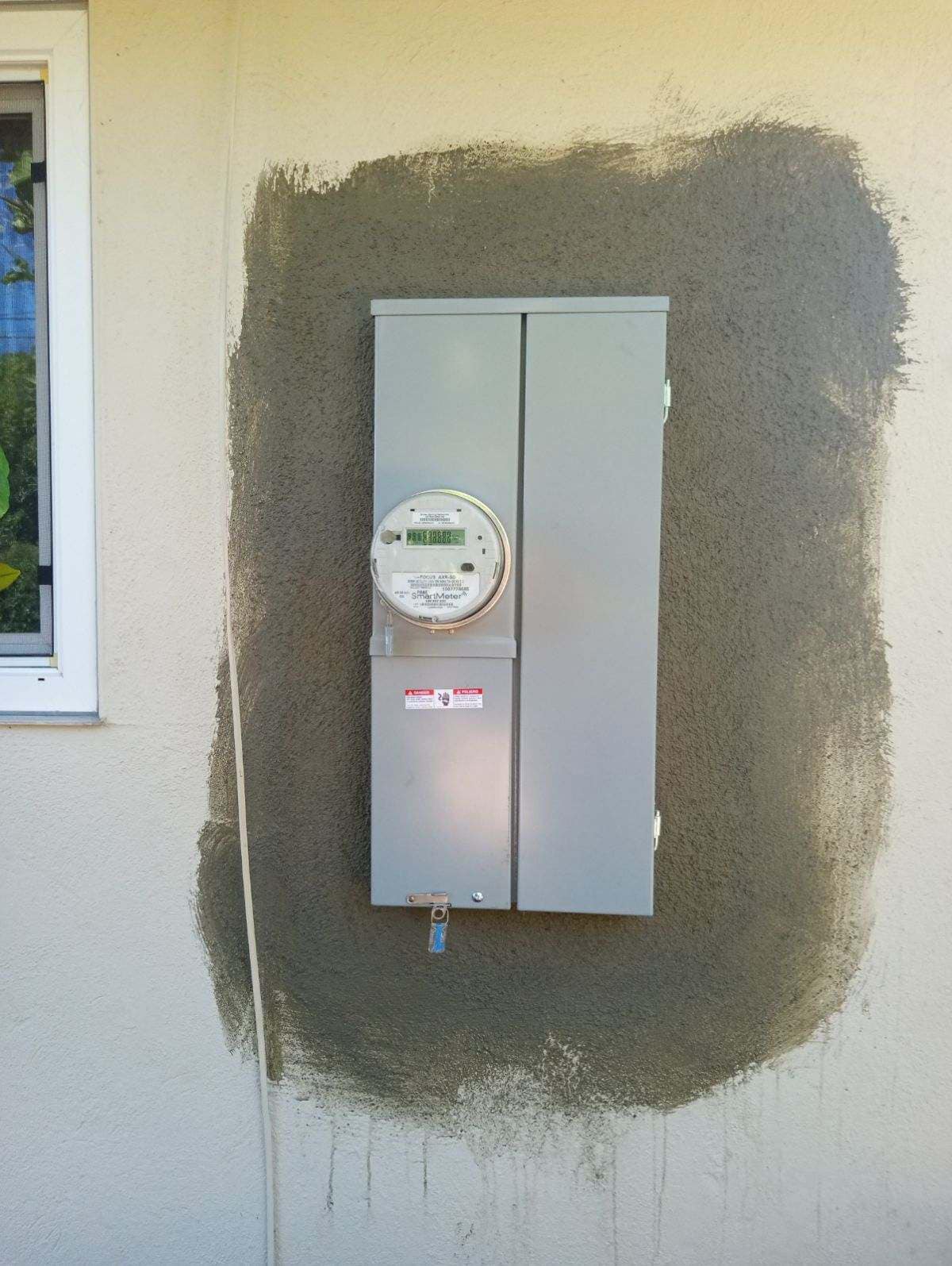
An electrical panel inspection includes measuring the load on each circuit and comparing it to the panel's rating. If the total potential load exceeds the main breaker's rating, the panel needs to be upgraded to a higher-capacity model. This is not a cosmetic change. It involves new wiring from the utility meter, a new panel enclosure, and often a new service entrance cable. It is a major job that only a licensed electrical contractor should perform.
Corrosion and moisture intrusion
Water and electricity do not mix. Panels installed outdoors, in crawl spaces, or in unfinished basements are vulnerable to moisture. A slow leak from a pipe above the panel can drip water inside over time, causing corrosion on bus bars, breaker contacts, and wire terminations. Corroded connections behave like loose connections: they generate heat and create arc faults. Moisture also lowers the insulation resistance of wiring, making it easier for a ground fault or short circuit to occur.
Sometimes the corrosion is hidden. A panel that looks clean on the outside may have rust on the internal bus bars. That is why a thorough electrical panel inspection involves removing the deadfront (the metal cover inside the door) to examine the interior components. If corrosion is found, the affected parts must be cleaned or replaced. In severe cases, the entire panel needs to be swapped out.
Old or damaged breakers
Breakers are mechanical devices. They have moving parts and springs that can wear out. A breaker that trips frequently may become weak and start nuisance tripping, but a more dangerous scenario is a breaker that fails to trip when it should. This can happen due to age, repeated overcurrents, or internal damage. A failed breaker means that a short circuit or overload may not be interrupted. The wiring downstream can overheat, melt, and start a fire before the main panel sees enough current to trip.
During an electrical panel inspection, a professional can test each breaker's trip mechanism using specialized equipment. They can also look for signs of internal damage, such as a cracked casing or a handle that feels loose. Replacing a breaker is a simple job for an electrician, but it requires the correct type and rating for the panel brand. Installing the wrong breaker can create a dangerous mismatch.
Aluminum wiring and older panel designs
Homes built in the 1960s and early 1970s sometimes have aluminum branch circuit wiring. Aluminum expands and contracts more than copper when it heats and cools. Over time, that movement can loosen connections and cause overheating at the panel terminals. Aluminum also oxidizes quickly, and the oxide layer is an insulator. A poor connection at the panel can create a hot spot that is difficult to detect without a thermal camera. An electrical panel inspection on a home with aluminum wiring should include checking every termination for signs of heat stress. The standard remedy is to pigtail each aluminum wire with a short length of copper using a rated connector, or to replace the wiring entirely. This is a specialized job that requires experience with aluminum systems.
If you are concerned about any of these issues, a professional electrical panel inspection is the safest way to get clarity. Companies such as woodingelectric.com offer assessments that cover the most common hazards, from loose connections to capacity concerns. They can identify problems that are not visible to an untrained eye and recommend the appropriate repairs or upgrades.
When to act
Any of the signs described here - burn marks, a hot panel cover, frequent tripping, a buzzing sound, or a smell of hot insulation - should prompt a call to a licensed electrician. Do not ignore them. An electrical panel problem rarely gets better on its own. It gets worse. The cost of an inspection is small compared to the risk of an electrical fire or a serious shock. A good electrician will explain what they find and give you a clear picture of what needs to be done and what can wait. For residents and businesses in Santa Clara and nearby Bay Area communities, woodingelectric.com provides the kind of thorough panel work that keeps those risks under control.
❧